
Children
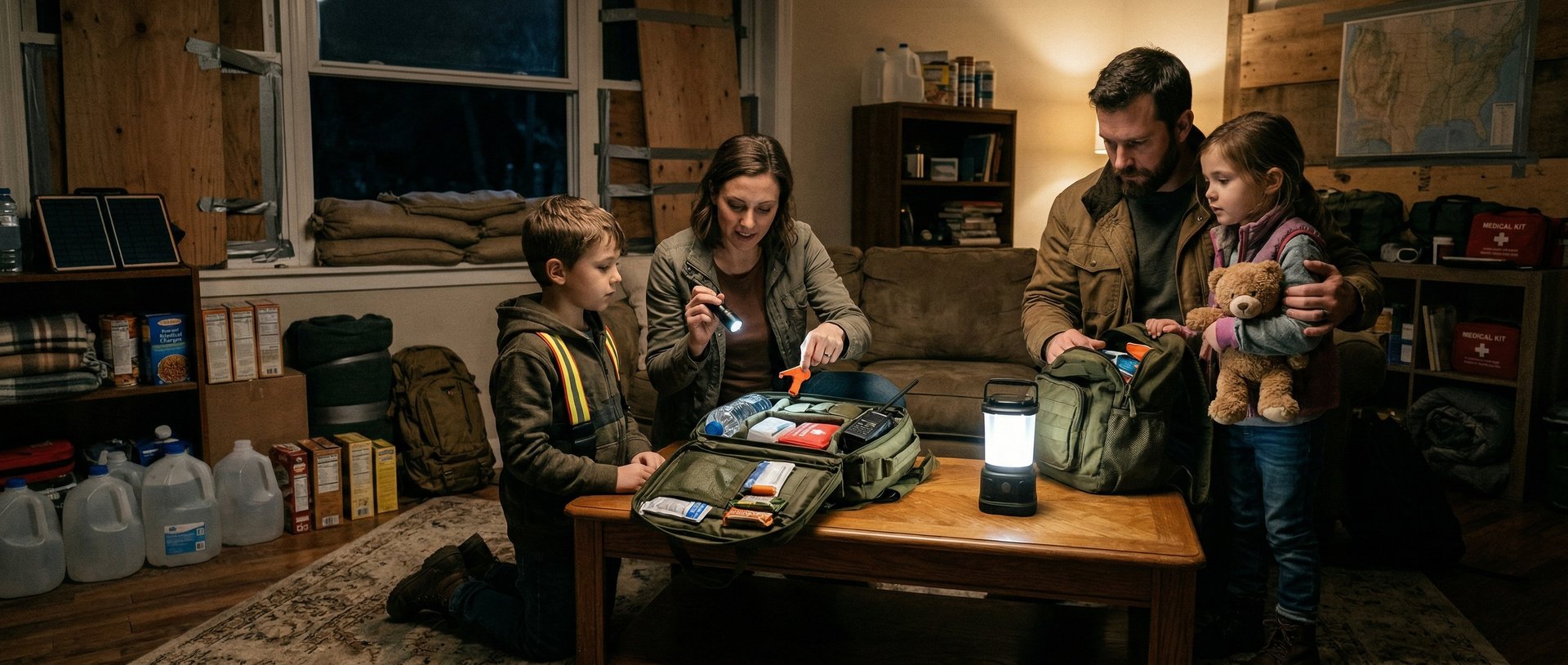
Emergency preparedness for children focuses on creating safety, familiarity, and clear routines during unexpected situations. This guide helps families plan ahead so children feel supported, informed, and protected during disruptions such as evacuations, power outages, or severe weather events.
FAMILY & PERSONAL SAFETY
3/2/20262 min read
Preparing Young Minds for Unexpected Situations
Emergencies can be confusing for adults — but for children, they can feel overwhelming. Loud alarms, sudden changes in routine, unfamiliar environments, and the emotional reactions of others can quickly create fear or uncertainty.
Preparedness for children is not about teaching them to expect danger. It is about helping them feel safe, supported, and confident when normal routines change.
When families plan ahead, children are far more likely to respond calmly and follow guidance during stressful moments.
Why Children Experience Emergencies Differently
Children rely heavily on familiarity and routine. When everyday patterns are disrupted — whether by a power outage, evacuation, or severe weather — uncertainty can feel more frightening than the event itself.
Preparation helps by replacing surprise with recognition.
Simple awareness allows children to understand:
what is happening
who is keeping them safe
what they should do next
Clarity reduces fear.
The Importance of Simple Communication
Children do not need complex explanations. In fact, too much information can increase anxiety.
Preparedness conversations work best when they are:
calm and age-appropriate
brief and reassuring
focused on actions rather than outcomes
Rather than emphasizing danger, families can frame preparation as a way everyone works together to stay safe.
Confidence often comes from tone more than words.
Familiarity Creates Comfort
One of the most effective ways to prepare children is through familiarity. Knowing where to go, who to follow, or what certain signals mean helps situations feel less unknown.
This may include:
recognizing household safety routines
understanding meeting locations
knowing who to listen to during an emergency
feeling comfortable with basic preparedness habits
Preparation becomes part of normal life rather than something frightening.
Including Children in Preparation
Children often respond positively when they feel included rather than protected from every detail.
Simple involvement can help build confidence:
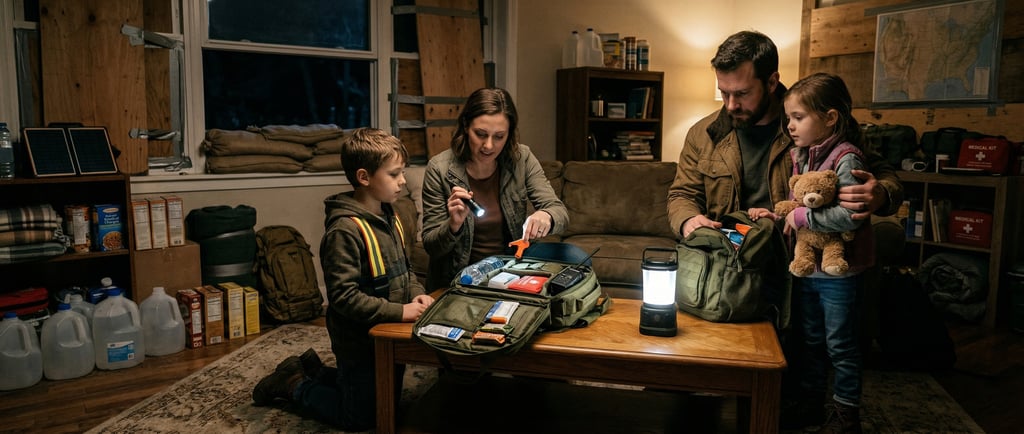
helping organize supplies
learning where important items are kept
practicing calm responses together
understanding basic household plans
Participation transforms preparedness into teamwork.
Comfort Matters During Disruptions
In unfamiliar or stressful situations, small comforts can make a meaningful difference for children. Familiar items, routines, or activities help restore emotional stability even when circumstances change.
Preparedness is not only about safety — it is also about maintaining reassurance and emotional balance.
When children feel secure, families make better decisions together.
Common Challenges Families Face
Many parents assume children will automatically follow instructions during emergencies, but stress can affect behavior in unexpected ways.
Preparation helps prevent:
separation confusion
panic responses
hesitation during evacuations
difficulty adapting to new environments
Planning ahead removes pressure from the moment itself.
Preparing Thoughtfully
Certain tools and supplies designed with families in mind can help children remain comfortable and supported during disruptions. Rather than gathering unnecessary items, it helps to focus on simple, reliable essentials suited for real household situations.
You can explore carefully selected options within the Trusted Gear section, where recommendations are organized around practical family preparedness needs.
Going Deeper
Preparing children is closely connected to broader family planning, communication strategies, and decision-making during emergencies. These ideas are explored more fully in When Help Isn’t Coming, where preparedness is explained as a calm, step-by-step approach designed for real life.
A Simple First Step
Have a short, calm conversation with your child about what they should do if routines suddenly change. Keep it simple, reassuring, and brief.
Preparation often begins with reassurance — not instruction.