Emergency Kits
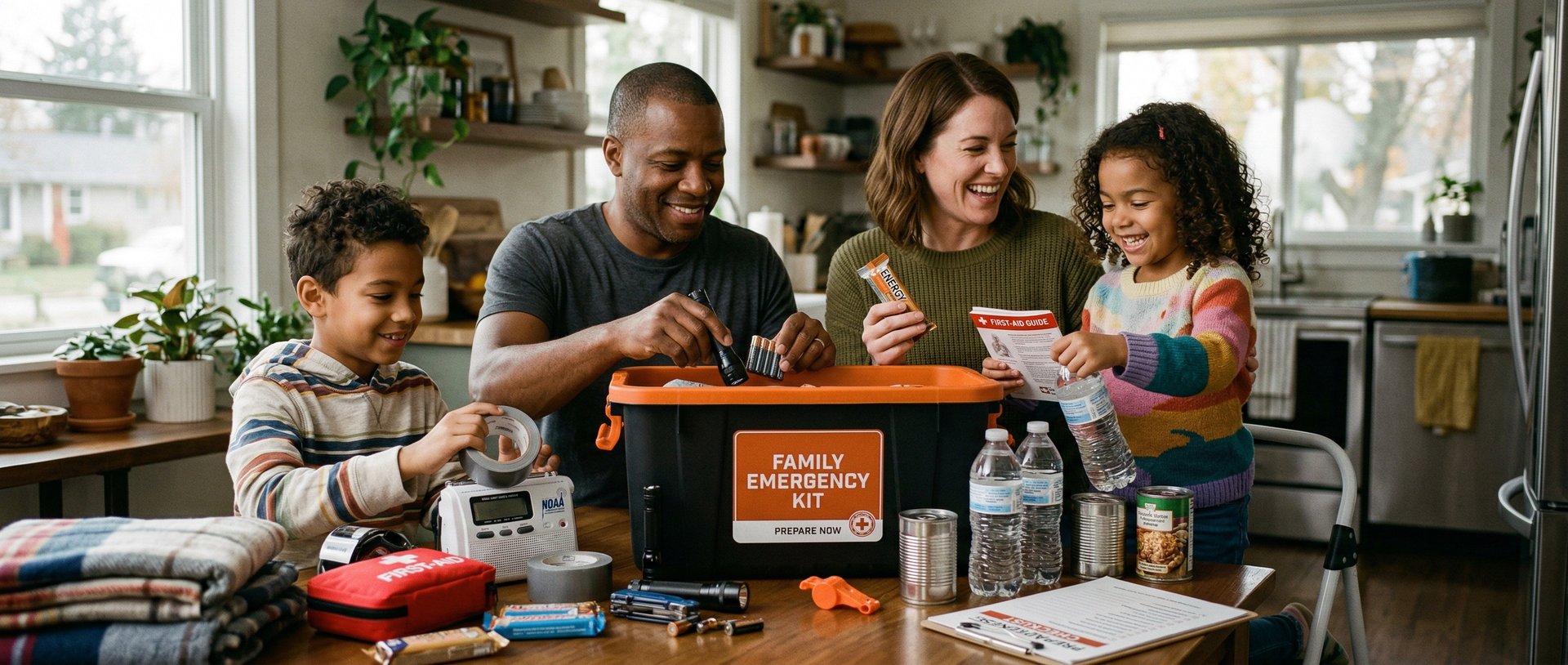
An emergency kit provides immediate access to essential supplies when normal routines are disrupted. This guide explains how to build a practical, easy-to-maintain kit designed to support your household during power outages, evacuations, or short-term emergencies.
HOME READINESS
3/2/20262 min read
Preparing for the First Hours That Matter Most
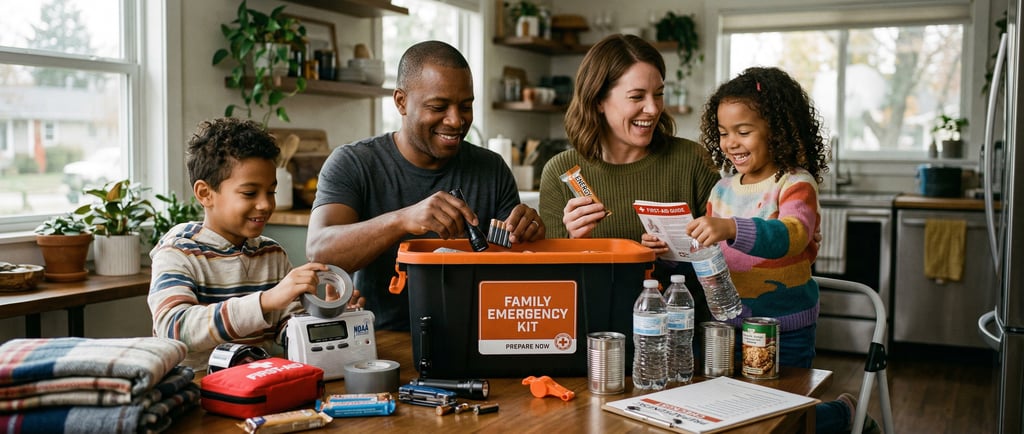
Emergencies rarely give advance notice. A sudden power outage, evacuation order, severe storm, or unexpected disruption can change normal routines within minutes. During those first hours, access to basic supplies often makes the greatest difference.
An emergency kit is not about preparing for extreme scenarios. It is about removing small but critical problems when everyday systems temporarily stop working.
When essential items are already gathered and easy to access, decisions become simpler and stress becomes manageable.
Why Emergency Kits Matter
Most people already own many useful supplies — they are simply scattered throughout the home. In an emergency, searching for items wastes valuable time and increases anxiety.
A well-prepared kit brings essentials together in one place so they are ready when needed.
Emergency kits help households:
stay comfortable during short disruptions
respond quickly when leaving home becomes necessary
avoid last-minute panic buying
maintain independence during the first phase of an emergency
Preparation is less about quantity and more about accessibility.
The Purpose of a 72-Hour Kit
Preparedness planning often focuses on the first 72 hours because this period is when normal services may be delayed or temporarily unavailable.
During this time, households benefit from having immediate access to:
basic lighting
water and simple food options
communication tools
personal essentials
comfort items that reduce stress
The goal is stability — not long-term survival.
Home Kits vs. Go-Bags
Many people assume an emergency kit is a single container, but preparation often works best when divided into two simple categories.
Home Kit
Stored safely inside the home and used when remaining indoors is the safest option. These kits support comfort and routine during outages or shelter-in-place situations.
Go-Bag
A lightweight kit designed to be grabbed quickly if leaving becomes necessary. Mobility and simplicity matter more than volume.
Both serve different purposes, and together they create flexibility.
Keeping Kits Practical
The most effective emergency kits share a few characteristics:
easy to carry or access
organized and clearly labeled
built around real household needs
reviewed occasionally rather than forgotten
Complicated kits often become unused. Simple, thoughtful preparation works better.
Many households find that building a kit gradually — adding a few items at a time — makes the process easier and more sustainable.
Common Mistakes People Make
Emergency kits sometimes fail not because items are missing, but because planning becomes unrealistic.
Common issues include:
packing too much gear
choosing items that require training to use
storing kits in difficult-to-reach locations
forgetting to adapt kits for children, pets, or medical needs
Preparedness should simplify life, not add complexity.
Choosing Reliable Equipment
While many supplies can come from everyday household items, certain tools are worth choosing carefully. Reliability matters most during moments when replacement isn’t possible.
Rather than collecting equipment impulsively, it helps to focus on well-tested essentials chosen for durability and ease of use.
You can explore carefully selected recommendations inside the Trusted Gear section, where tools are organized based on real preparedness needs rather than trends or marketing.
Building Confidence Over Time
An emergency kit is not a finished project — it is a starting point. As households learn more about their routines and risks, kits naturally evolve.
Preparation grows through small improvements, not sudden transformation.
The important step is simply beginning.
Going Further
Emergency kits are only one part of a larger preparedness system. Understanding how they connect with planning, decision-making, and real-world scenarios is explored in greater depth in When Help Isn’t Coming, where preparedness is approached step by step with clarity and realism.
A Simple First Step
Choose one location in your home today and begin gathering essentials together. Even a partially completed kit creates momentum — and momentum builds readiness.