
Fire Planning
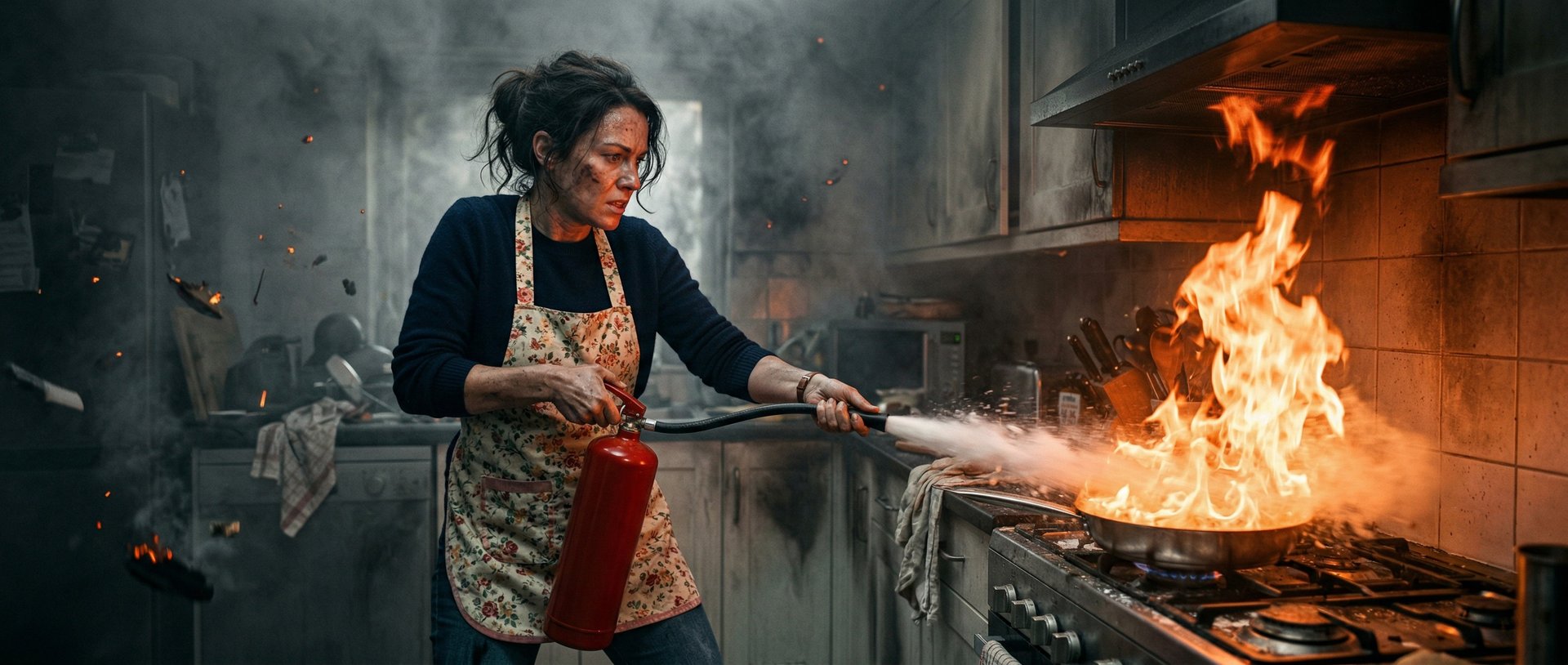
Fires develop quickly and often leave little time to think. Fire planning focuses on preparing your home and household in advance, creating clear escape routes, communication plans, and safety habits that help everyone respond calmly and safely when seconds matter most.
HOME READINESS
3/2/20262 min read

Fire Planning Preparing Before Seconds Matter
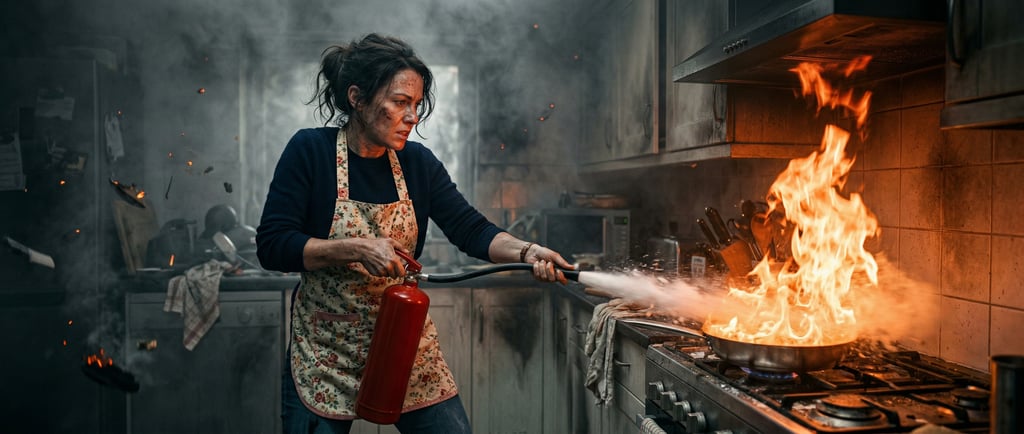
Fires are among the few emergencies that leave almost no time for decision-making. They rarely begin with dramatic warning signs. More often, they start quietly — a kitchen mistake, an electrical fault, or an unnoticed hazard — and escalate faster than most people expect.
In those moments, preparation matters more than reaction.
Fire planning is not about expecting disaster. It is about removing hesitation. When a plan already exists, people move with clarity instead of confusion.
Why Fire Planning Matters
During a fire, visibility can drop quickly, familiar spaces can feel disorienting, and stress affects even the calmest individuals. Many households assume they will “figure it out” if something happens, but emergencies rarely allow time for improvisation.
A simple plan created ahead of time helps ensure that everyone in the home understands what to do without needing instructions in the moment.
Preparedness replaces panic with action.
Start With Awareness
Effective fire planning begins with understanding your environment.
Every home is different. Layout, number of occupants, sleeping arrangements, and daily routines all influence how safely people can exit during an emergency.
Consider questions such as:
How many ways can you leave each area of your home?
Would exits still be obvious in darkness or smoke?
Does everyone know where to go once outside?
You don’t need complicated systems — only clear thinking applied in advance.
Creating a Household Plan
A fire plan should be simple enough that anyone can remember it under stress.
At a minimum, households benefit from:
clearly understood exit paths
a shared outdoor meeting location
awareness of who may need assistance
agreement that personal safety comes before belongings
Children, guests, and visitors should be able to understand the plan easily. Complexity often fails when urgency rises. Many families discover that simply talking through a plan together dramatically increases confidence.
The Role of Preparation Habits
Planning is not a one-time activity. Small habits make a meaningful difference over time.
Examples include:
keeping pathways clear
knowing where safety equipment is located
periodically reviewing plans together
ensuring everyone recognizes alarms and signals
These actions may feel minor, but during an emergency they reduce uncertainty — and uncertainty is often what slows response.
Nighttime and Unexpected Situations
Fires do not follow schedules. Planning should account for moments when people are asleep, distracted, or separated.
Consider how awareness changes at night or when routines are disrupted. Thinking through these situations calmly beforehand helps prevent hesitation later.
The goal is not perfection — only familiarity.
Common Planning Mistakes
Many households unintentionally rely on assumptions:
believing there will be time to gather belongings
assuming everyone will wake immediately
expecting clear visibility
postponing planning for “later”
Fire planning works best when it focuses on realistic conditions rather than ideal ones.
Preparation Builds Confidence
One of the most overlooked benefits of fire planning is peace of mind. When a household knows a plan exists, anxiety decreases — even if the plan is never needed.
Preparedness is less about predicting events and more about removing uncertainty from them.
Going Deeper
This guide introduces the foundations of fire planning, but effective preparedness involves understanding how planning connects with evacuation readiness, emergency kits, and decision-making under pressure.
These ideas are explored more fully in When Help Isn’t Coming, where preparation is broken down into clear, practical systems designed for real-world situations.
A Simple First Step
Take a few minutes today to walk through your home and imagine leaving it quickly and safely. Notice what feels obvious — and what doesn’t.
Preparation often begins with awareness.