Power Outages
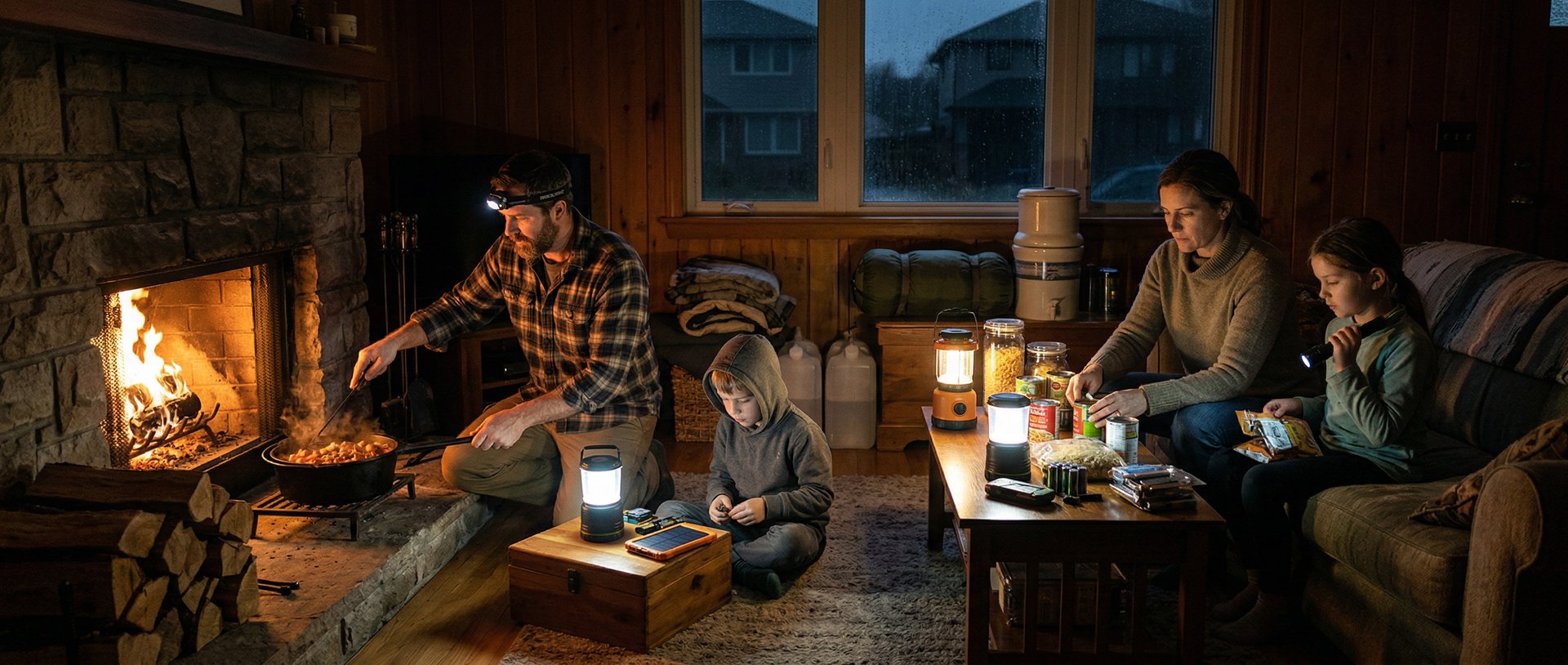
Power outages can happen without warning, disrupting lighting, communication, heating, and daily routines. This guide explores practical ways to prepare your home for temporary loss of electricity, helping households stay safe, comfortable, and informed until normal service returns.
ESSENTIAL SYSTEMS
3/2/20262 min read
Staying Safe and Functional When the Lights Go Out
Power outages are one of the most common disruptions modern households experience. They can last minutes or days, arrive without warning, and affect far more than lighting alone. Heating systems, refrigeration, communication, and daily routines often depend entirely on electricity , something most people only notice once it disappears.
Preparation for power outages is not about expecting catastrophe. It is about maintaining stability when normal systems pause.
When a household knows what to expect and has simple plans in place, outages become manageable rather than stressful.
Why Power Outages Feel Disruptive
Modern homes rely on interconnected systems. Electricity supports comfort, safety, and communication simultaneously. When power stops, small inconveniences quickly compound:
rooms become darker and harder to navigate
devices lose charge
food storage becomes uncertain
access to information may feel limited
The discomfort people experience during outages often comes less from the event itself and more from uncertainty.
Preparation removes that uncertainty.
The First Priority: Light and Awareness
One of the immediate challenges during an outage is visibility. Darkness changes how familiar spaces feel and increases the risk of accidents.
Planning ahead means having dependable lighting available exactly where it is needed , not searching for it after the power has already gone out.
Simple preparation includes:
knowing where lighting tools are stored
keeping access clear
ensuring everyone in the household knows how to use them
Reliable light restores a sense of control almost instantly.
Maintaining Comfort at Home
Many outages are temporary, but even short disruptions can feel longer when comfort declines.
Households benefit from thinking ahead about:
maintaining warmth or cooling depending on season
preserving food safely
reducing unnecessary movement through dark spaces
keeping essential items within easy reach
Preparation does not require complicated systems , only thoughtful anticipation of everyday needs.
Staying Informed
During outages, information becomes valuable. Weather updates, restoration timelines, and safety notices help households make calm decisions.
Planning how you will receive updates ahead of time prevents reliance on a single device or connection. When communication options are considered in advance, uncertainty decreases significantly.
Preparedness is often about redundancy, having more than one way to stay aware.
Protecting Food and Daily Essentials
Power loss affects refrigeration and routine activities quickly. Knowing how to respond calmly helps prevent waste and unnecessary concern.
Many households find it helpful to:
minimize opening refrigerators and freezers
keep essential items grouped together
maintain simple meal options that require little preparation
Small habits reduce disruption and extend comfort during outages.
Common Mistakes During Power Outages
Without preparation, people often:
search for supplies in the dark
rely entirely on phone batteries
underestimate outage duration
make rushed decisions out of frustration
Planning ahead replaces reaction with confidence.
Choosing Reliable Tools
While preparation begins with planning, certain tools make outages significantly easier to manage, especially dependable lighting, backup power options, and communication devices.
Rather than collecting equipment impulsively, it helps to focus on well-tested essentials designed for simplicity and reliability. You can explore thoughtfully selected options inside the Trusted Gear section, where recommendations are organized around real household needs.
Preparation Beyond the Basics
Power outages often reveal how interconnected preparedness really is. Lighting connects to safety, communication connects to decision-making, and planning connects to comfort.
These relationships — and how to prepare for them realistically, are explored more deeply in When Help Isn’t Coming, where preparedness is approached as a clear system rather than a collection of isolated tips.
A Simple First Step
Tonight, imagine your home without electricity for twelve hours. What would feel inconvenient? What would feel difficult?
Preparation often begins by answering that question honestly.