Seniors
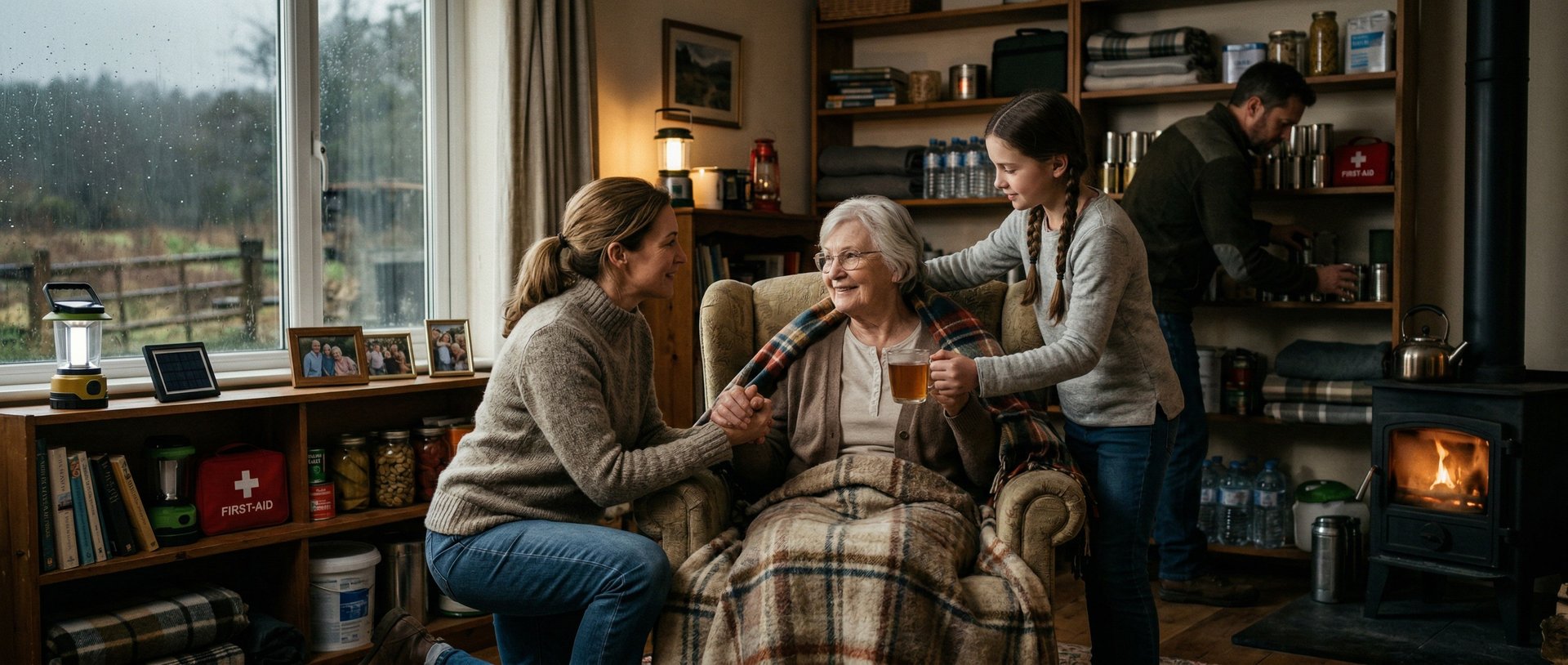
Preparedness planning for seniors requires thoughtful consideration of mobility, medical needs, and daily routines. This section explores practical ways to support older adults during emergencies, helping ensure safety, comfort, and continuity of care when normal services are disrupted.
FAMILY & PERSONAL SAFETY
3/2/20262 min read
Planning With Care, Comfort, and Continuity in Mind
Emergencies affect everyone differently, but older adults often face unique challenges when routines are suddenly disrupted. Mobility, medical needs, communication, and access to familiar support systems can all become more complicated during power outages, evacuations, or severe weather events.
Preparedness for seniors is not about assuming vulnerability — it is about thoughtful planning that protects independence while ensuring safety.
When preparation happens ahead of time, families and caregivers can respond calmly instead of making difficult decisions under pressure.
Why Senior Preparedness Matters
Daily routines provide stability. Medication schedules, regular meals, familiar environments, and predictable support systems all contribute to well-being.
During emergencies, even small interruptions can create stress or confusion. Planning ahead helps maintain continuity and reduces unnecessary risk.
Preparedness allows older adults to remain comfortable and supported while circumstances change around them.
Understanding Individual Needs
No two situations are the same. Effective planning begins with understanding personal routines and abilities rather than applying a one-size-fits-all approach.
Helpful considerations may include:
mobility and accessibility
medical equipment or medication timing
communication preferences
sensory or cognitive needs
proximity to assistance
Preparation works best when it reflects real daily life.
Communication and Reassurance
Clear communication becomes especially important during disruptions. Seniors benefit from knowing what is happening and what steps are being taken without feeling overwhelmed by information.
Simple planning may include:
identifying trusted contacts
agreeing on check-in routines
keeping important information accessible
ensuring instructions remain easy to follow
Calm reassurance often matters as much as physical preparation.
Maintaining Comfort During Disruptions
Comfort and familiarity help reduce anxiety during emergencies. Small details — lighting, temperature, seating, or access to essential items — can significantly influence how manageable a situation feels.
Prepared households often focus on:
minimizing unnecessary movement
keeping frequently used items nearby
preserving familiar routines whenever possible
Preparedness supports dignity as much as safety.
Planning for Evacuation or Limited Mobility
In situations where leaving home becomes necessary, advance planning reduces confusion and physical strain. Knowing transportation options, assistance needs, and destination plans ahead of time allows decisions to happen calmly.
Even brief conversations about “what if” scenarios can prevent rushed choices later.
Preparation removes uncertainty for both seniors and caregivers.
Common Oversights
Families often delay senior preparedness because discussions feel uncomfortable or unnecessary. However, waiting until an emergency occurs makes planning far more difficult.
Common challenges include:
important information stored only digitally
unclear medication organization
lack of backup communication methods
uncertainty about who provides assistance
Simple preparation today prevents complex decisions tomorrow.
Choosing Practical Support Tools
Certain tools can make disruptions easier to manage — especially those designed for simplicity, visibility, and reliability. Rather than adding complexity, the goal is to support independence while improving safety.
You can explore thoughtfully selected options within the Trusted Gear section, where recommendations focus on practical solutions suitable meaningfully for households and caregivers.
Going Deeper
Senior preparedness connects closely with communication planning, home readiness, and emergency decision-making. These ideas are explored further in When Help Isn’t Coming, where preparedness is presented as a structured approach designed to reduce uncertainty for individuals and families alike.
A Simple First Step
Take a few minutes to review daily routines with a parent, relative, or neighbor and identify what would matter most if services were temporarily unavailable.
Preparation often begins with conversation.