Shelter In Place
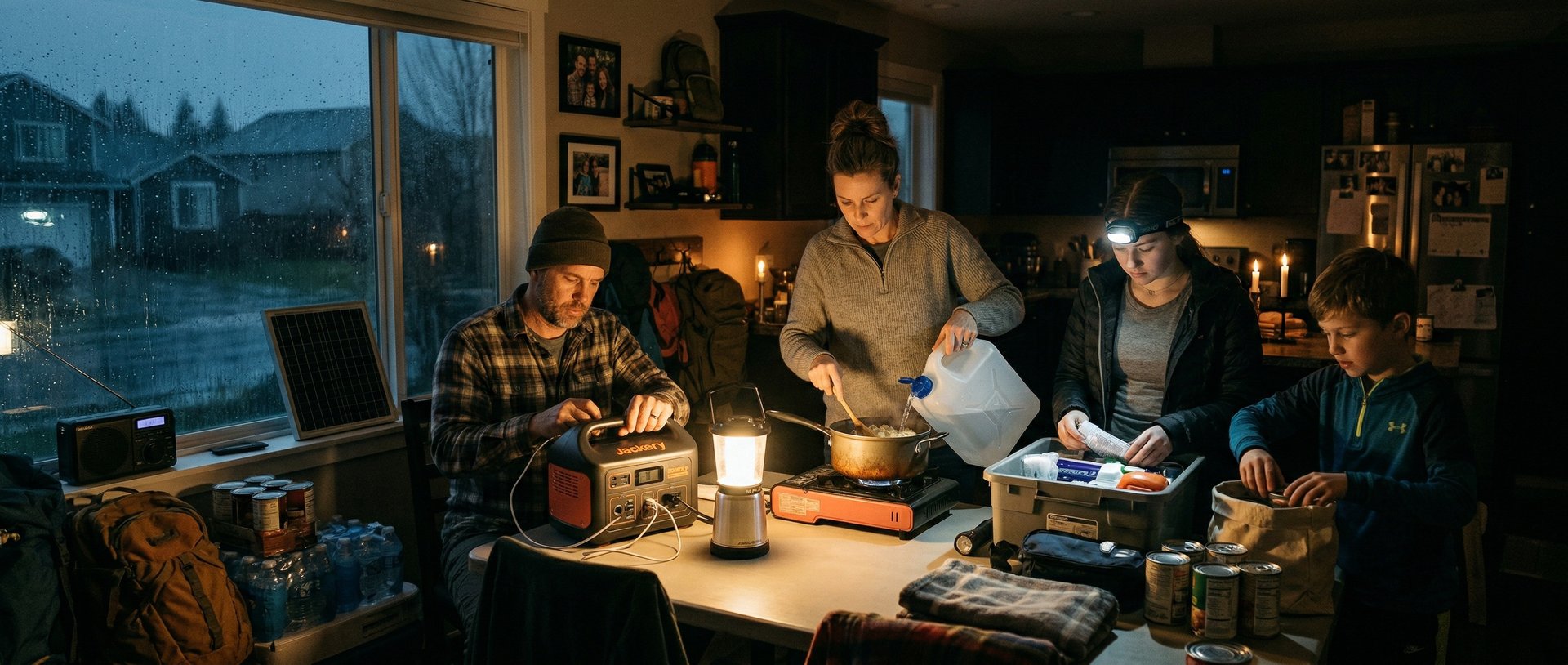
Not every emergency requires evacuation. Shelter-in-place planning helps households remain safe and comfortable at home during situations where leaving may be unsafe or unnecessary, such as severe weather, air quality events, or temporary infrastructure disruptions.
HOME READINESS
3/2/20262 min read
Staying Safe When Leaving Isn’t the Best Option
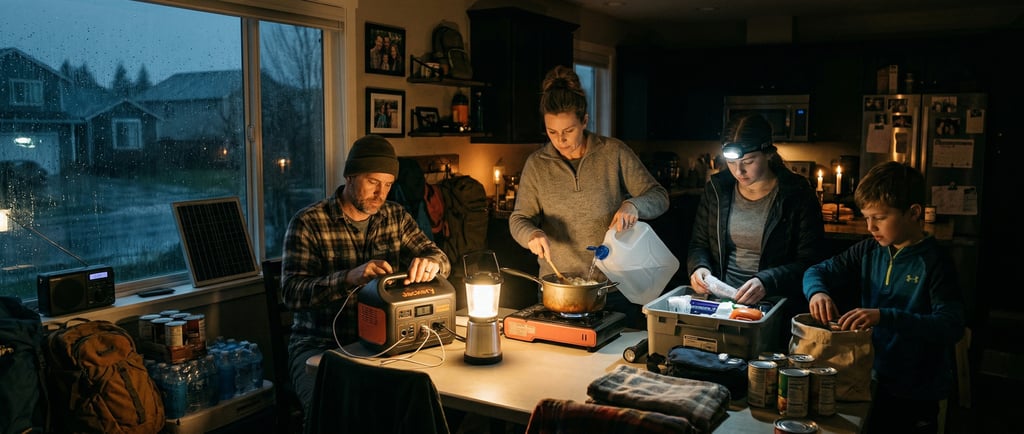
Not every emergency requires evacuation. In many situations, the safest decision is to remain where you are , inside a familiar environment, protected from external risk.
Severe weather, poor air quality, infrastructure disruptions, or temporary safety advisories can make travel dangerous or unnecessary. During these moments, the ability to stay calm and functional at home becomes one of the most valuable forms of preparedness.
Shelter-in-place planning is simply the practice of making your home capable of supporting you comfortably for a short period of uncertainty.
Understanding Shelter-in-Place
The phrase often sounds technical, but the idea is straightforward:
Remain indoors, limit exposure to outside hazards, and rely on prepared resources until normal conditions return.
Unlike evacuation planning, shelter-in-place focuses on stability rather than movement. Familiar surroundings reduce stress, conserve energy, and allow households to maintain routine even while circumstances change outside.
Preparation ensures that staying home remains a safe option — not a forced one.
When Shelter-in-Place May Be Necessary
Situations vary, but households may choose or be advised to remain indoors during:
severe storms or extreme weather
wildfire smoke or poor air quality
temporary infrastructure failures
community safety advisories
short-term supply disruptions
In many cases, these events resolve within hours or days. Planning ahead allows families to move through them with confidence rather than uncertainty.
Creating a Comfortable Indoor Environment
Preparedness is not only about safety — comfort matters too. Stress increases when basic needs become difficult to manage.
Simple considerations can make a significant difference:
reliable lighting when power is unavailable
access to drinking water and simple meals
maintaining communication with others
keeping essential items within easy reach
Small adjustments made ahead of time prevent unnecessary frustration later.
Managing Time and Routine
One overlooked aspect of shelter-in-place situations is psychological comfort. When normal routines stop, uncertainty grows quickly.
Households benefit from maintaining structure:
regular meal times
shared responsibilities
calm communication
activities that reduce anxiety
Preparedness supports not just physical safety, but emotional steadiness.
Preparing the Space
Every home has areas that naturally feel safer or more comfortable during disruptions. Identifying these spaces in advance helps households adapt quickly when needed.
Preparation might include:
knowing where supplies are stored
ensuring access to essential rooms
reducing dependence on single systems
planning for limited mobility or lighting
The goal is familiarity — knowing your environment well enough that decisions feel obvious.
Common Misunderstandings
Many people assume shelter-in-place means isolation or hardship. In reality, it often resembles a temporary adjustment to normal living.
Planning ahead prevents common challenges such as:
unnecessary trips outside
searching for supplies during shortages
relying entirely on external assistance
feeling unprepared for extended disruptions
Preparedness reduces urgency.
Choosing the Right Tools
Certain items can make staying indoors significantly easier during disruptions, particularly those that support lighting, communication, and basic daily needs.
Rather than accumulating equipment, it helps to focus on dependable essentials chosen for simplicity and reliability. A curated overview of useful options can be found in the Trusted Gear section, organized to help households prepare thoughtfully.
Going Deeper
Shelter-in-place planning connects closely with home readiness, emergency kits, and decision-making during uncertain situations. These ideas are explored more fully in When Help Isn’t Coming, where preparedness is approached as a clear, step-by-step system designed for real life.
A Simple First Step
Imagine spending two uninterrupted days at home without power or outside services. What would feel easy , and what would feel difficult?
Preparation often begins by noticing the answer.