Water storage
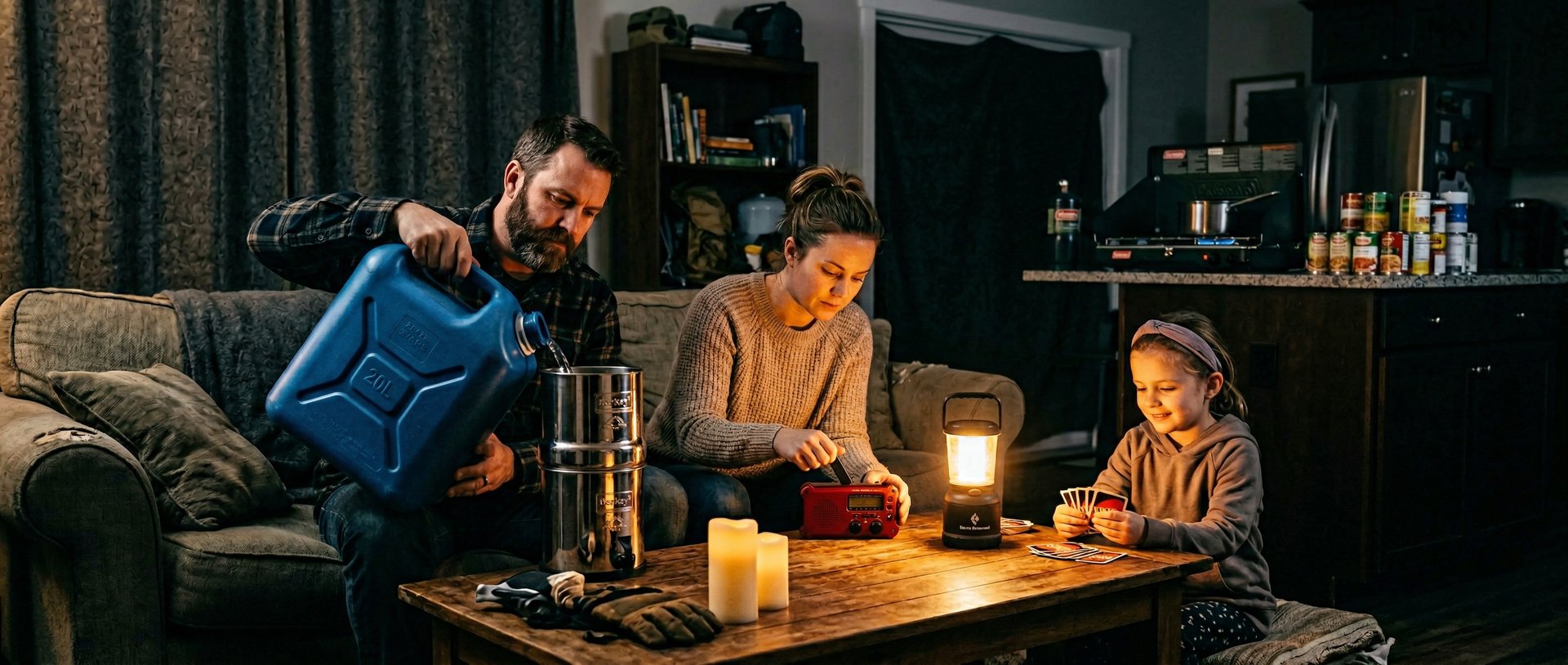
Access to clean water is one of the most important parts of emergency preparedness. This section explains simple and realistic approaches to storing and managing water at home, ensuring households remain prepared during short-term disruptions or supply interruptions.
ESSENTIAL SYSTEMS
3/2/20262 min read
Preparing for One of Life’s Most Essential Needs
Water is easy to overlook because it is always available — until it isn’t. Most households depend entirely on continuous water delivery systems, and even short disruptions can quickly affect comfort, hygiene, and daily routines.
Water storage is not about preparing for extreme scenarios. It is about ensuring stability during temporary interruptions caused by storms, infrastructure issues, or unexpected emergencies.
When clean water is already available at home, uncertainty becomes far easier to manage.
Why Water Preparation Matters
Unlike many other supplies, water has no simple substitute. Cooking, drinking, cleaning, and basic sanitation all rely on it.
During disruptions, stores may close, supplies may be limited, and access can become unpredictable. Households that prepare ahead avoid last-minute stress and unnecessary risk.
Water storage provides independence during the early stages of an emergency — when services may be delayed but conditions are still manageable.
Thinking in Short-Term Readiness
Preparedness often focuses on realistic timeframes rather than long-term survival. For most situations, planning for several days of reliable water access creates a strong foundation.
This approach keeps preparation practical and achievable.
Instead of storing excessive quantities immediately, many households begin with manageable amounts and expand gradually as they learn what works best for their space and routine.
Preparedness grows step by step.
Choosing Storage That Fits Your Home
There is no single correct way to store water. Apartments, houses, and shared living spaces all require different approaches.
Helpful considerations include:
accessibility during an outage
safe storage locations
protection from heat and contamination
containers that are easy to handle
Simple, organized solutions are often more effective than large, complicated setups.
Rotation and Maintenance
Water storage works best when it becomes part of normal household awareness rather than a forgotten project.
Occasional review ensures supplies remain clean and usable. Many people find that setting simple reminders or checking supplies alongside seasonal routines keeps preparation effortless.
Consistency matters more than perfection.
Beyond Drinking Water
Water planning also supports everyday comfort. Hygiene, cooking, and basic cleaning become more challenging during disruptions, which can increase stress unnecessarily.
Thinking about how water supports daily life helps households prepare realistically rather than focusing only on emergency scenarios.
Preparedness is about maintaining normalcy as much as possible.
Common Misunderstandings
Many people delay water preparation because they believe it requires specialized knowledge or large storage systems.
In reality:
small amounts stored thoughtfully make a difference
preparation can begin immediately
simple solutions often work best
The goal is reliability, not complexity.
Choosing Reliable Solutions
Certain containers and filtration tools can make water storage easier and more dependable, especially when designed for long-term safety and ease of use.
Instead of guessing which options work best, you can explore carefully selected recommendations in the Trusted Gear section, where equipment is organized around practical preparedness needs.
Going Deeper
Water preparation connects closely with power outages, shelter-in-place planning, and overall home readiness. Understanding how these systems work together is explored further in When Help Isn’t Coming, where preparedness is explained as a clear and manageable process built for everyday life.
A Simple First Step
Set aside enough clean water today to last one full day without using the tap. Notice what feels easy — and what requires adjustment.
Preparation often begins with small awareness.